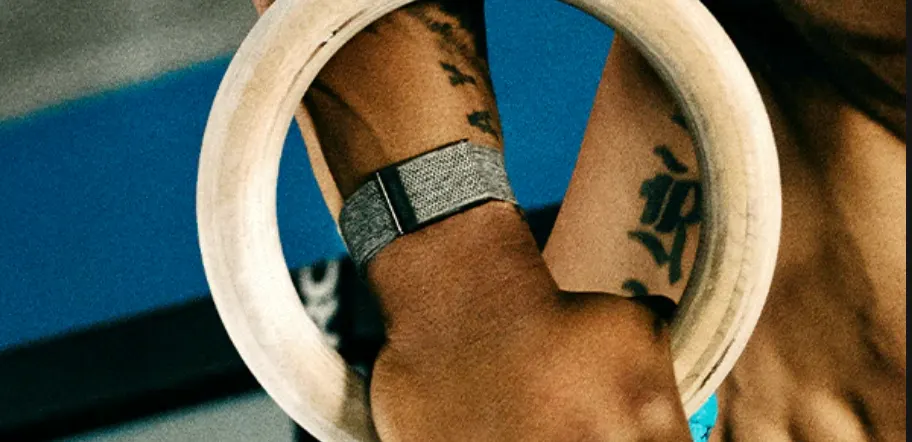
WHOOP vs Oura Ring vs Garmin: Best Wellness Tracker of 2026
WHOOP 5.0, Oura Ring 4, and Garmin go head-to-head. Find out which wellness tracker is actually worth your money in 2026.
WHOOP vs Oura Ring vs Garmin: Best Wellness Tracker of 2026
If you're serious about your health (sleep, recovery, stress, cardiovascular fitness), you've probably spent time staring down three names: WHOOP, Oura Ring, and Garmin. Each takes a genuinely different philosophy to wearable wellness, and the "best" one depends almost entirely on what you're trying to accomplish. We've broken down each device honestly so you can stop second-guessing and start tracking what actually matters.
The state of wellness trackers in 2026
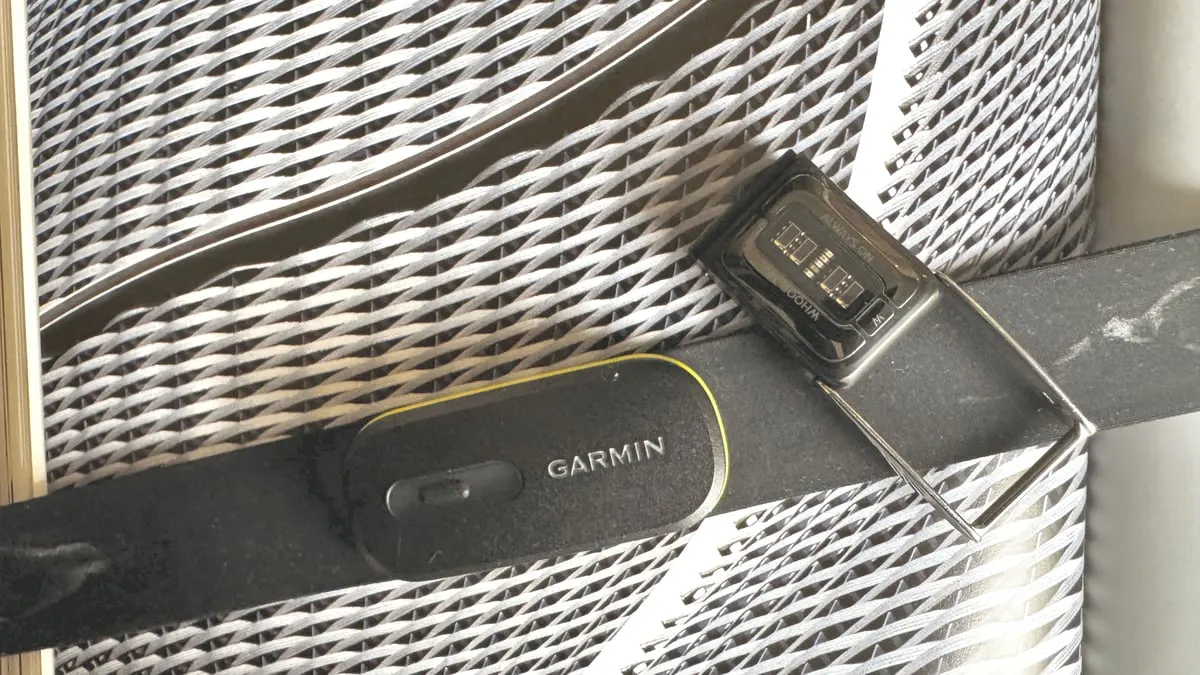
The fitness wearable market has grown into a $60.9 billion industry, and it shows. Simple step counters are long gone. Today's devices measure heart rate variability (HRV), blood oxygen, skin temperature, ECG, VO2 Max, and even estimate your biological age. WHOOP, Oura Ring, and Garmin aren't really competing with each other so much as they're competing for different versions of you.
WHOOP 5.0 & WHOOP MG: best for athletes and recovery obsessives
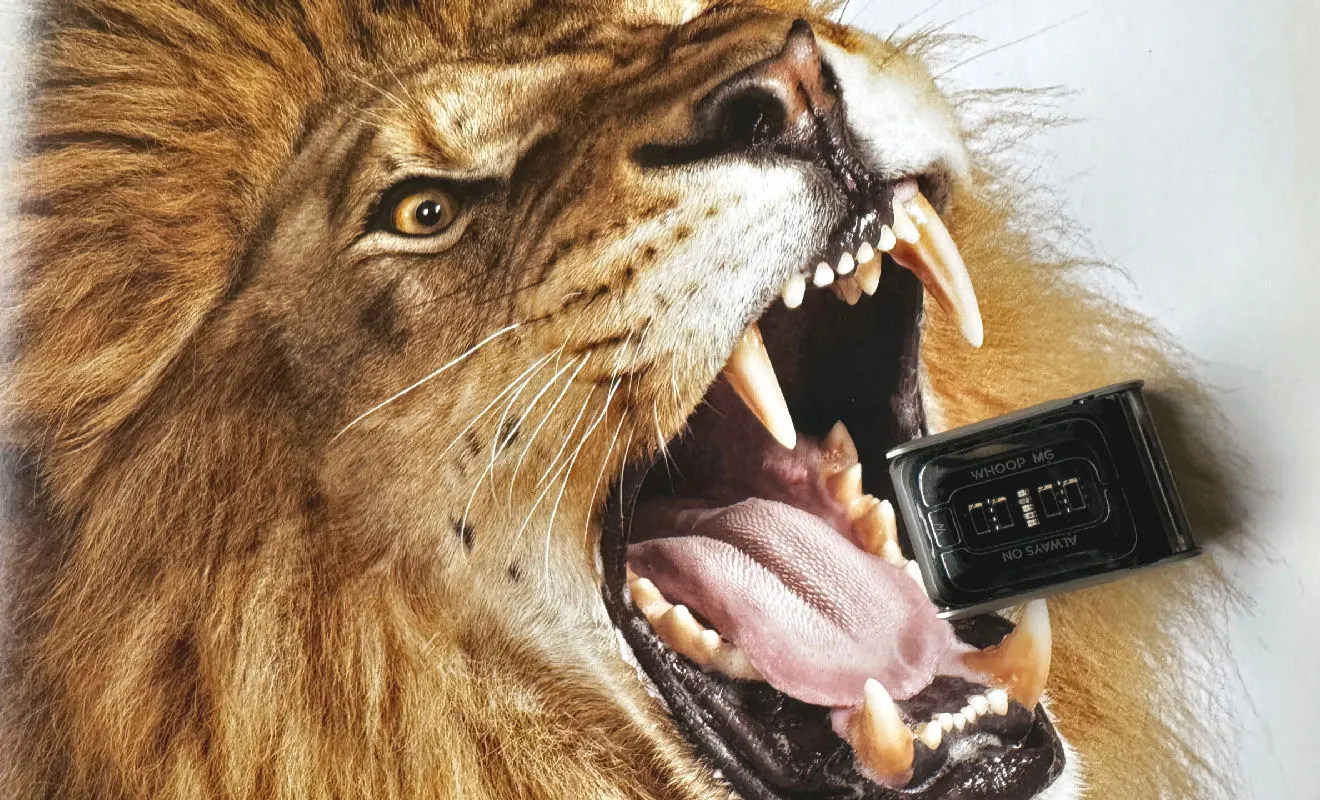
Launched on May 8, 2025, the WHOOP 5.0 (and its medical-grade sibling, the WHOOP MG) is the most ambitious update WHOOP has ever shipped. The hardware is 7% smaller than the WHOOP 4.0, runs on a processor that's 10x more power-efficient, and captures sensor data 26 times per second.
The headline upgrade, though, is battery life. WHOOP 5.0 now lasts up to 14 days on a charge, a massive leap from the 4-5 days of the previous generation, and the Wireless PowerPack charges fully in just 2 hours.
What makes WHOOP genuinely different
WHOOP's core value proposition is its Strain/Recovery framework. Every morning you wake up to a recovery score built from three inputs: HRV, resting heart rate, and sleep performance. That score tells you how hard to push today. It's simple, actionable, and for athletes and active people, genuinely useful.
New for WHOOP 5.0:
- Healthspan & WHOOP Age: A weekly calculation of your biological "WHOOP Age" and your Pace of Aging, with personalized tips to slow it down.
- Blood Pressure Insights: Optical sensors estimate overnight Pulse Pressure, including systolic and diastolic ranges.
- Advanced Labs: You can now upload personal biomarker lab results (glucose, cholesterol, cortisol) and sync them with your 24/7 wearable data for a more complete health picture.
- AI Coach: An updated conversational coach that remembers past interactions and preferences to give increasingly personalized guidance.
- WHOOP MG Heart Screener: An FDA-cleared ECG to detect atrial fibrillation (AFib), available only on the MG tier (not available for users under 22, those with pacemakers, or in all regions).
The catch
WHOOP runs on a subscription model: $199/year (One), $239/year (Peak), or $359/year (Life), with hardware included. When WHOOP initially launched the 5.0 without offering free upgrades to existing members, it caused significant backlash. The company reversed course on May 10, 2025, offering free WHOOP 5.0 upgrades to members with 12 or more months remaining on their subscription. Worth knowing before you commit.
One performance caveat: WHOOP's wrist-based heart rate monitoring can be less accurate during high-intensity interval training (HIIT), so if explosive, stop-start workouts are your main focus, keep that in mind.
WHOOP is available on WHOOP.com, Amazon, Best Buy, and more, in 56 markets worldwide.
Oura Ring 4: best for sleepers, minimalists, and data accuracy
The Oura Ring 4 takes the opposite approach to WHOOP in almost every way: no screen, no straps, no bulk. It's a titanium ring weighing just 3.3 to 5.2 grams depending on size, and you wear it like jewelry. That low profile makes it the only tracker here you'll genuinely forget you're wearing, which has a real effect on sleep tracking accuracy.
Why the data holds up
Oura's scientific credibility is hard to ignore. A 2025 peer-reviewed study of 536 nights found that Oura Ring Gen 4 had the highest agreement with ECG-measured HRV of any consumer wearable tested, achieving a Concordance Correlation Coefficient (CCC) of 0.99 and a Mean Absolute Percentage Error (MAPE) of just 5.96%. WHOOP 4.0 came close behind (CCC 0.94, MAPE 8.17%), while Garmin trailed both (CCC 0.87, MAPE 10.52%). A separate 2025 study across 500+ nights found Oura Ring Gen 3 and Gen 4 "consistently showed the strongest agreement" for both HRV and resting heart rate measurements, outperforming WHOOP, Garmin, and Polar.
The ring also includes an ECG sensor, tracks sleep (including naps) with fine-grained detail, monitors heart rate continuously, and is water-resistant to 100 meters, deeper than either WHOOP or most Garmin sport watches.
Specs worth noting
- Sizes: 4-15 (the widest size range on the smart ring market)
- Finishes: Six options, including a new deep black
- Battery life: 5-8 days
- Built-in GPS: No
- Smart Sensing: Adaptive technology that calibrates to your unique physiology
Pricing and the subscription question
The Oura Ring 4 starts at $349 for the hardware. The Oura Membership, which unlocks the full suite of tracking features, guided meditations, and sleep stories, costs $5.99/month or $69.99/year. You can use the ring without a membership, but your data access will be very limited. At roughly $6/month, it's the most affordable subscription of the three.
The one genuine limitation: no built-in GPS. If you want to track outdoor runs or rides with route mapping, you'll need your phone along for the ride, or a different device.
Garmin (Fenix / Forerunner series): best for outdoor athletes and GPS addicts
Garmin occupies a different lane entirely. Where WHOOP and Oura are wellness-first devices that also handle fitness, Garmin is a sports and navigation computer that also handles wellness. The difference matters.
Garmin's flagship series, including the rugged Fenix line and the sleeker Forerunner series, pack built-in GPS, barometric altimeters, topographic maps, and multi-sport profiles. If you run trails, cycle long distances, swim open water, or hike in the backcountry, Garmin has the tools you actually need.
Where Garmin stands in the data wars
Garmin measures HRV, sleep, stress, Body Battery (its own energy-tracking score), VO2 Max, and more. The 2025 HRV study cited above found Garmin's accuracy lagging slightly behind both Oura and WHOOP, but "trailing" in this context still means a CCC of 0.87, which is solid for a wrist device under real-world conditions. Garmin's Body Battery score is a particularly underrated feature: it pulls together stress, sleep, and HRV into a single 0-100 energy gauge that updates throughout the day, not just in the morning.
Battery life varies by model, but Garmin devices routinely offer 10-20+ days in smartwatch mode, with some Fenix models lasting weeks in GPS-saving configurations. No subscription is required for core features; the Garmin Connect app is free.
The trade-offs
Garmin watches are larger and heavier than either WHOOP or the Oura Ring, and the design leans functional over fashionable. If you're wearing it to a dinner reservation, you'll know it's there. The wellness coaching is also less nuanced than WHOOP's recovery framework or Oura's sleep science. Garmin is better at telling you what you did than coaching you on what to do next.
Head-to-head: which tracker is right for you?
| WHOOP 5.0 | Oura Ring 4 | Garmin | |
|---|---|---|---|
| Form factor | Wristband | Ring | Watch |
| Best for | Athletes, recovery | Sleep, minimalists | Outdoor sports |
| Battery life | Up to 14 days | 5-8 days | 10-20+ days |
| Built-in GPS | No | No | Yes |
| HRV accuracy | Excellent | Best in class | Good |
| Subscription cost | $199-$359/yr | $70/yr | Free |
| Hardware cost | Included in sub | $349 | $500-$900+ |
| Screen | No | No | Yes |
The verdict
- Choose WHOOP 5.0 if you're an athlete who wants daily strain-and-recovery coaching, doesn't mind a subscription, and wants cutting-edge features like WHOOP Age and blood pressure insights.
- Choose Oura Ring 4 if sleep is your priority, you want the most scientifically validated HRV and resting HR data available, and you'd rather wear something that looks like jewelry.
- Choose Garmin if you're an outdoor or endurance athlete who needs built-in GPS, long battery life, and real-time sport metrics, and you don't want to pay a monthly subscription for core features.
None of these is a bad choice. The best wellness tracker of 2026 is the one you'll actually wear every day, and the one that tracks the data that changes your behavior.