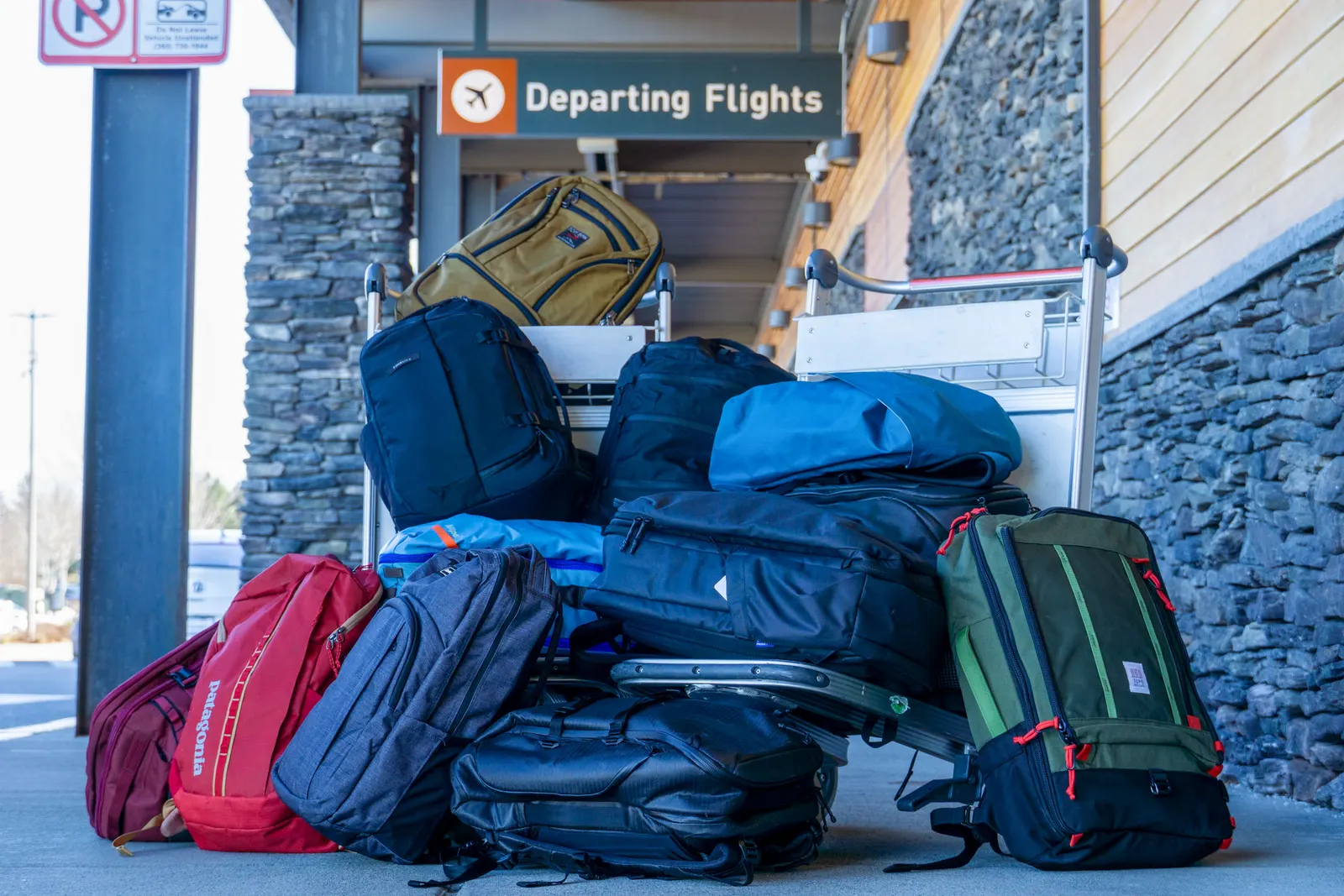
Best Travel Backpacks 2026: Top One-Bag Picks, Tested & Ranked
The best travel backpacks of 2026, tested and ranked for one-bag travelers. Find your perfect carry-on pack with our honest, in-depth guide.
Best Travel Backpacks 2026: Top One-Bag Picks, Tested & Ranked
Airline bag fees are getting ruthless. In 2025, 42% of passengers paid an average gate fee of €47 ($51) for oversized carry-ons, up from 38% the year before. Ryanair shrunk its free bag allowance to a barely-usable 40×20×25 cm, and Spirit and Frontier cut personal-item dimensions to 45×35×20 cm. If you fly even a handful of times a year, going carry-on only can save you $200, $300 per intercontinental trip. Over a few years of frequent travel, that's a new backpack paid for many times over.
That's exactly why one-bag travel has grown from a niche hobby into a full-on movement. The global travel backpack market accounted for 46.54% of the entire backpack industry in 2026, a market now worth over $22 billion, and it is still growing. Whether you're a digital nomad hopping between cities or a weekend warrior trying to dodge checked-bag purgatory, the right travel backpack is one of the smartest purchases you can make.
We dug into testing data from GearJunkie, Pack Hacker, Better Trail, Treeline Review, and Nomads Nation (all updated in 2026) to put together this ranked, honest guide. Here's what you actually need to know.
What to look for before you buy
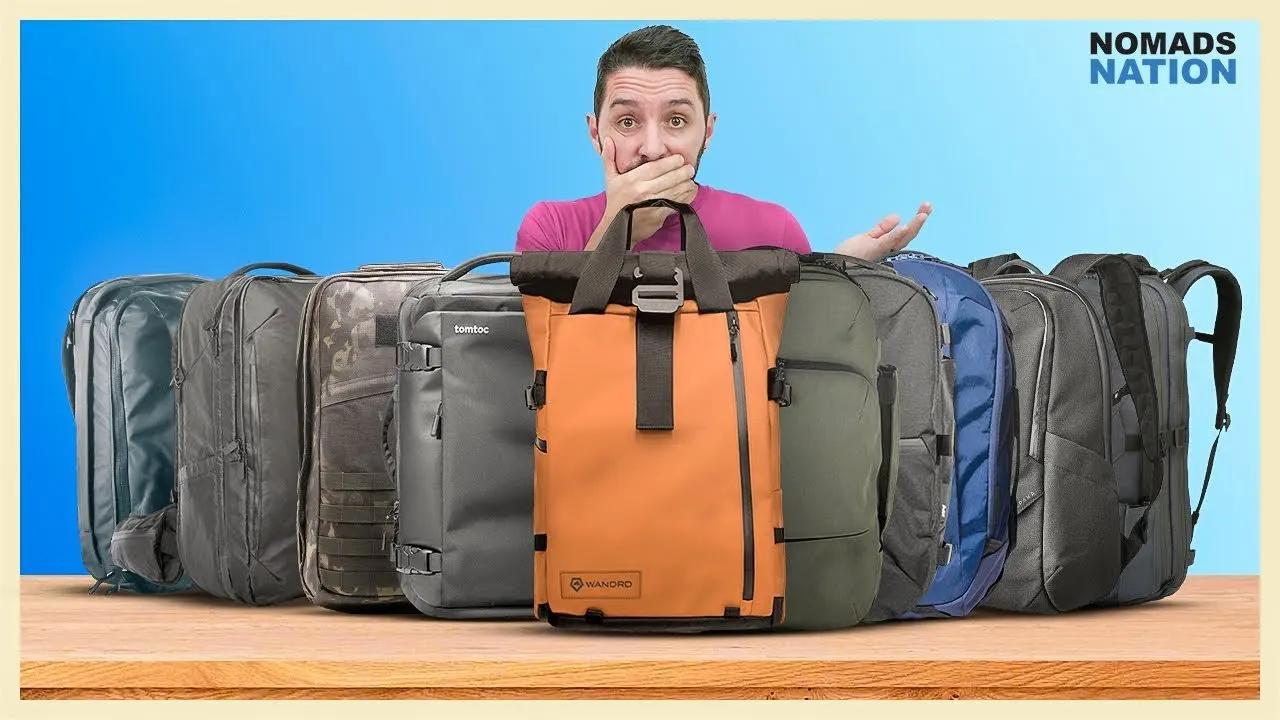
Before getting into specific picks, a quick framework, because not all travel backpacks are built the same.
Volume is the first decision. In practical terms: 28L works for day trips, 35L covers a long weekend, and 42, 45L handles a week or more of travel. Most serious one-bag travelers land in the 35, 45L range. IATA's general carry-on guideline is 56×45×25 cm, but budget airlines enforce tighter limits, so always double-check before you fly.
Fabric denier matters, but bigger is not always better. That "D" number (e.g., 400D, 950D) measures yarn thickness. Higher denier means more durability but also more weight. A well-made 400D nylon shell is often the sweet spot for a travel pack: tough enough for years of use, light enough that you're not fighting the bag itself.
Organization beats raw volume. A clamshell opening, a dedicated laptop sleeve, quick-access pockets, and a logical layout will save you far more time and frustration than an extra 5 liters of unstructured space.
Sustainability is increasingly real, too. Around 30% of buyers now actively prefer packs made from recycled or sustainably sourced materials, and 37% of new product launches among leading brands feature eco-conscious fabrics. It's no longer just marketing language.
The best travel backpacks of 2026
1. Peak Design Travel Backpack 45L, best overall
If there's one pack the travel community keeps returning to, it's this one. GearJunkie flatly calls it "the standard for one-bag travel," and after digging into what makes it work, it's easy to see why.
The standout feature is the expandable main compartment, which flexes from 35L to 45L depending on how much you're carrying. That's a genuinely clever design: compressed, it stays compliant on strict airlines; opened up, it has real capacity. The clamshell opening runs from the bottom of the bag, and side-access zippers let you grab buried items without unpacking everything. Inside the lid, there's a full mesh organizer panel and a divider with two additional pockets. Testers consistently call it the best-organized travel pack available.
The shell is a weatherproof 400D recycled nylon canvas, which gives it solid durability without unnecessary weight, and it reflects Peak Design's sustainability commitments. The magnetic strap-stowage system is another strong detail: two foam panels on the back flip away to secure the shoulder straps completely, giving the bag a clean, luggage-like profile when you need it.
The price, around $300, is steep. But for frequent flyers, photographers, or anyone doing multi-city hotel and flight itineraries, this is a buy-once situation. It's the benchmark everything else gets measured against.
How to choose the right pick for you
Not everyone needs the top-ranked bag. Here's a quick decision guide:
- Flying budget European carriers constantly? Prioritize a compressible pack that can squeeze into tight overhead and under-seat restrictions. Look for bags that compress below 40L.
- Photographer or tech-heavy traveler? The Peak Design's interior organization and camera-cube compatibility make it well suited for gear-intensive travel.
- Sustainability matters to you? Recycled fabric shells (like Peak Design's 400D recycled nylon) are now widely available at premium price points. Smart backpacks with USB charging ports have also seen a 20% rise in consumer demand, worth considering if you're always hunting for outlets.
- Budget-conscious? Premium packs above $150 are growing at a 9.15% CAGR, but the market has never had more solid mid-range options. You don't have to spend $300 to travel well. That said, if you fly more than 10 times a year, the math often justifies it.
The bottom line
The best travel backpack is not necessarily the largest, the cheapest, or the one with the most pockets. It's the one that disappears into your travel routine: compliant with airlines, organized enough that you're not digging around at 6 a.m., and durable enough that you don't think about replacing it for years.
In 2026, the bar for what a great travel pack can do is genuinely high. The Peak Design Travel Backpack 45L sits at the top of that bar for a reason. It sweats the organizational details, uses quality sustainable materials, and earns its premium price through thoughtful design rather than hype.
Pick the bag that matches how you travel. Pack light, pay fewer fees, and get back to the part that actually matters: the trip itself.