Ashwagandha in 2026: Benefits, Side Effects & Best Supplements
Discover ashwagandha's proven benefits, side effects, and the best supplements to buy in 2026 — backed by the latest clinical research.
Ashwagandha in 2026: Benefits, Side Effects & Best Supplements
Ashwagandha isn't a trend anymore. It's a staple. Once tucked away in Ayurvedic apothecaries, Withania somnifera is now the top mood-support botanical by revenue worldwide, with a market valued at nearly $848 million in 2025 and projected to reach $1.72 billion by 2033. Whether you're curious about what all the fuss is about, or you're already a convert looking to upgrade your supplement, here's everything worth knowing in 2026.
What is ashwagandha?
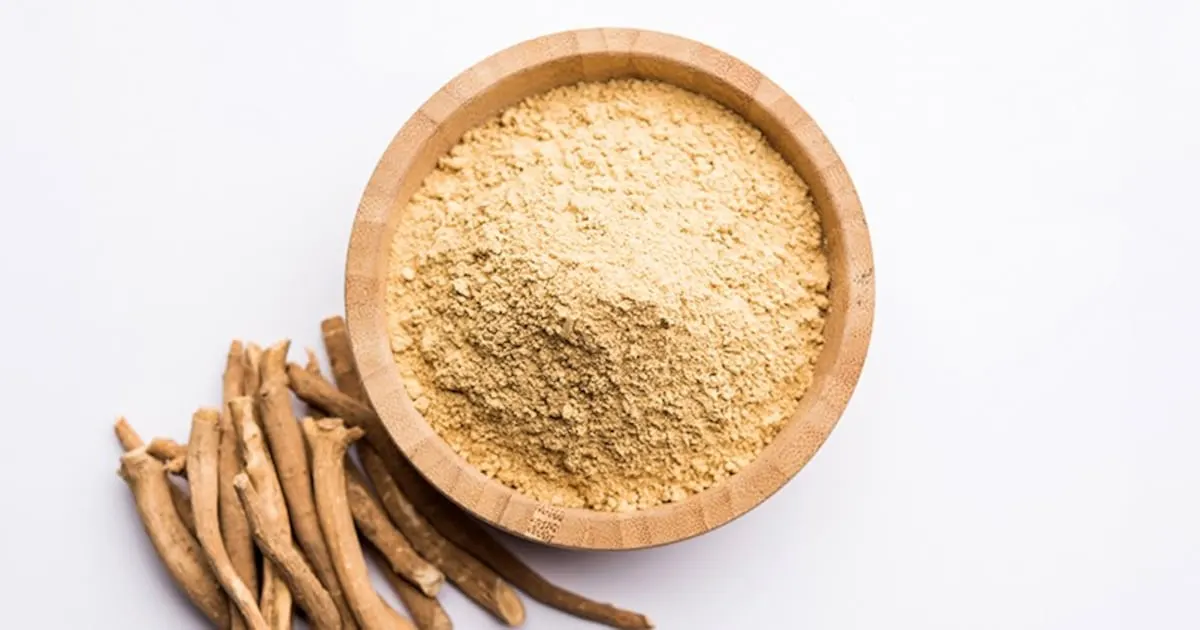
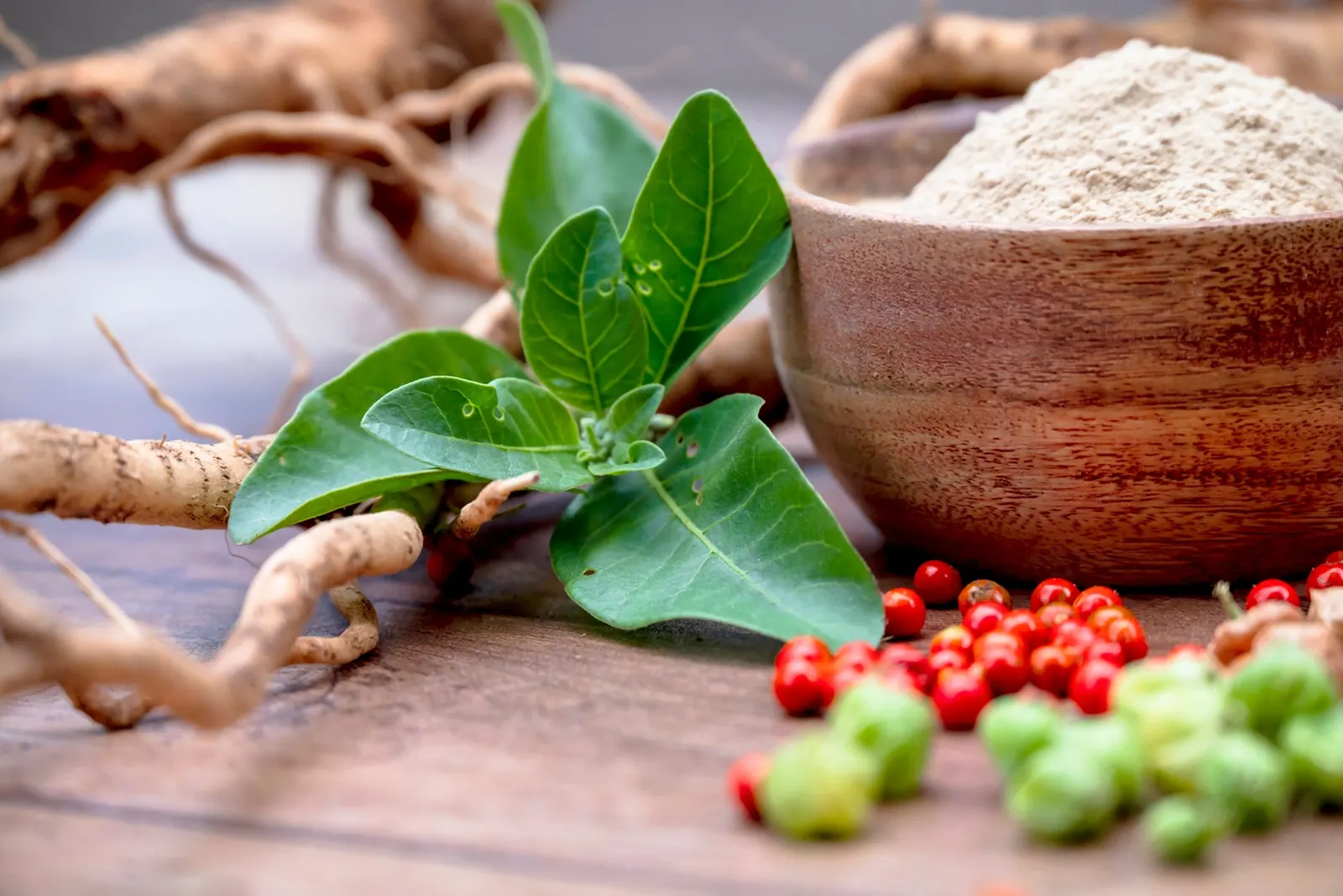
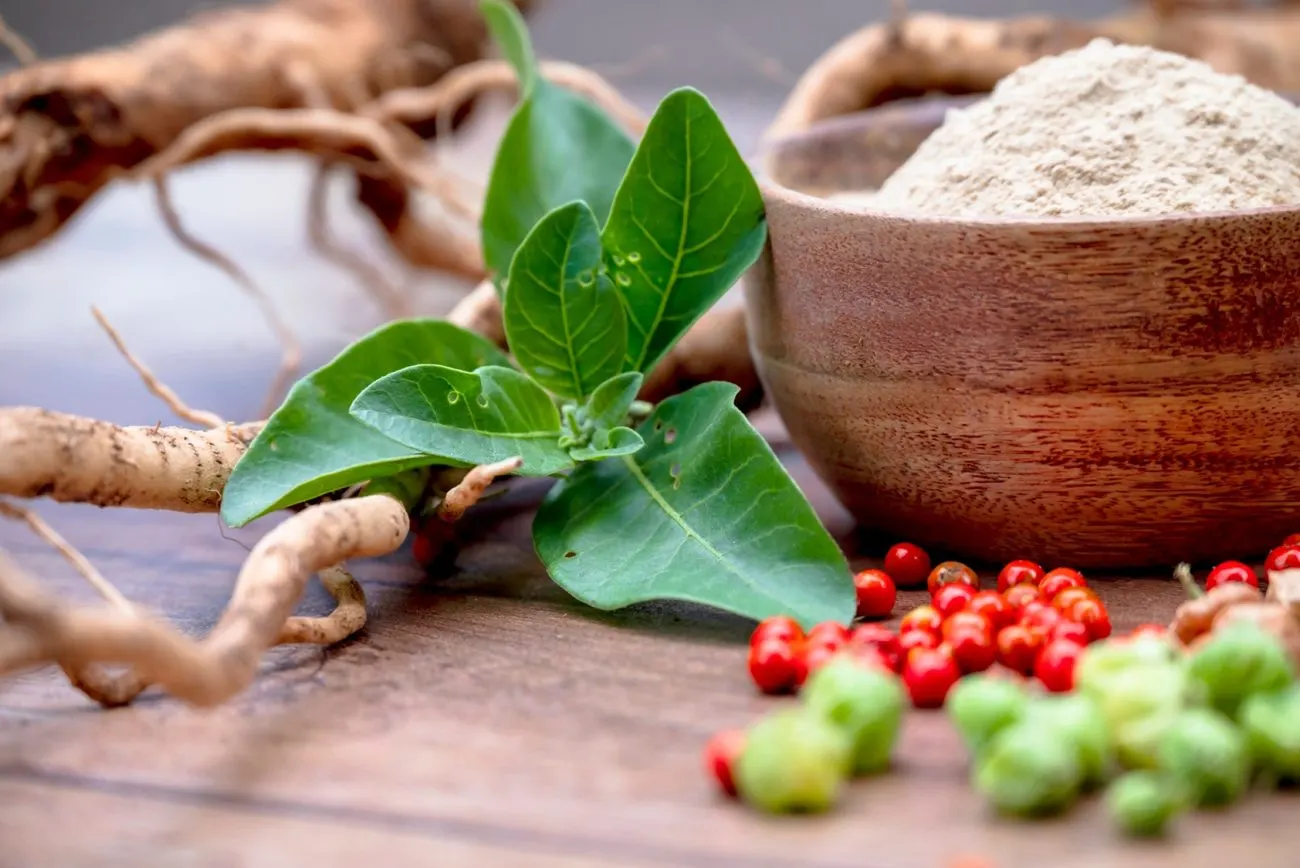
Ashwagandha (Withania somnifera) is an ancient root herb central to Ayurveda, India's 5,000-year-old holistic healing system. Its key bioactive compounds, called withanolides, drive its adaptogenic, anxiolytic, antioxidant, anti-inflammatory, neuroprotective, and immunomodulatory effects. In plain terms: ashwagandha helps your body handle stress more gracefully while supporting everything from brain function to immune response.
The real benefits: what the science says in 2026
Stress and anxiety relief
This is ashwagandha's strongest suit. A major June 2025 meta-analysis pooling data from 15 studies and 873 patients confirmed that ashwagandha extracts meaningfully lower cortisol, stress, and anxiety levels. An international taskforce formed by the World Federation of Societies of Biological Psychiatry and the Canadian Network for Mood and Anxiety Treatments has provisionally recommended 300 to 600 mg/day of ashwagandha root extract (standardized to 5% withanolides) for generalized anxiety disorder, which is a real step toward clinical legitimacy.
Sleep quality
A 2021 systematic review and meta-analysis of 372 adults found that ashwagandha extract produced a small but statistically significant improvement in sleep quality, efficiency, total sleep time, and sleep latency compared to placebo. The sweet spot appears to be 600 mg/day for at least 8 weeks, with the most pronounced benefits in people with insomnia.
Testosterone and male fertility
Limited but consistent evidence suggests that 2 to 4 months of ashwagandha supplementation can increase testosterone levels and improve sperm quality and motility. For men looking to support vitality, energy, and hormonal health naturally, it's a legitimate option worth considering.
Menopausal symptom relief
A January 2026 randomized, double-blind, placebo-controlled study published in Frontiers in Reproductive Health examined ashwagandha specifically for menopausal symptom management. The study used a root-only extract with more than 5% withanolides verified by HPLC analysis, finding it to be a potentially safer alternative to menopausal hormone therapy and antidepressants for symptomatic relief.
Athletic performance and cognitive function
A 2025 review highlighted ashwagandha's potential for athletes, noting that its documented effects on inflammation, stress, sleep, and cognition collectively suggest meaningful benefits for physical performance. Its nootropic properties, including free-radical reduction and lower oxidative stress, make it useful for both body and mind.
Immune support
A 2021 randomized, placebo-controlled, double-blind study found ashwagandha supplementation increased participants' cytokine, immunoglobulin, and lymphocyte levels, meaning their immune systems were better equipped to identify and respond to new infections.
Healthy aging
A 2026 prospective, randomized, double-blind, placebo-controlled study in Phytotherapy Research found ashwagandha root extract supports general health markers in older adults, adding to a growing body of research around longevity-adjacent supplementation.
Side effects and who should be careful
Ashwagandha is well-tolerated by most healthy adults at recommended doses, but it's not for everyone:
- Gastrointestinal upset (nausea, loose stools) is the most commonly reported side effect, especially on an empty stomach.
- Liver toxicity has been reported in rare cases with very high doses or prolonged use. Stick to studied dosage ranges.
- Thyroid interactions: ashwagandha may increase thyroid hormone levels, so anyone with a thyroid condition should consult a doctor first.
- Pregnancy: not recommended during pregnancy due to potential uterine-stimulating effects.
- Autoimmune conditions: its immunomodulatory effects could theoretically overstimulate already-active immune responses.
- Drug interactions: it may interact with sedatives, thyroid medications, and immunosuppressants.
At 300 to 600 mg/day of a standardized extract, most healthy adults experience no meaningful side effects. When in doubt, talk to your healthcare provider.
What to look for in an ashwagandha supplement
Not all ashwagandha is created equal. Here's what actually matters:
- Standardization: look for extracts standardized to at least 5% withanolides, the threshold used in clinical trials and provisionally recommended by international medical bodies.
- Root vs. leaf: most research is on root extract. Some products blend in leaf, which has a different withanolide profile. Root-only is preferable.
- Third-party testing: seek NSF Certified for Sport, USP, or Informed Sport certification, especially if you're an athlete.
- Dose: aim for 300 to 600 mg per serving. Higher isn't always better.
- Form: capsules and tablets offer the most precise dosing. Gummies are convenient, but check the actual withanolide content carefully.
Best ashwagandha supplements in 2026
KSM-66 Ashwagandha by Jarrow Formulas
Jarrow Formulas' KSM-66 ashwagandha is one of the most clinically researched forms available. KSM-66 is a full-spectrum root extract standardized to at least 5% withanolides, produced without alcohol or chemical solvents, using a milk-based extraction process consistent with traditional Ayurvedic preparation. Each capsule delivers 300 mg, making it easy to reach the clinically studied 600 mg/day dose with two capsules. It's a go-to for anyone prioritizing purity, research backing, and transparency.
Ashwagandha Root Extract by NaturesPlus
NaturesPlus offers a straightforward, high-potency ashwagandha root extract that's vegetarian-friendly and easy to find. It delivers a clean dose of standardized ashwagandha root and is a solid pick for those who want a no-frills supplement from a long-standing brand. Good for beginners starting with adaptogens, or anyone who wants a dependable daily option without a premium price tag.
Ashwagandha Gummies by Goli Nutrition
For people who struggle with capsules or simply prefer a more enjoyable format, Goli's Ashwagandha Gummies are among the best in the gummy-supplement category, which is growing at a 12.8% CAGR through 2030. Each serving contains KSM-66 ashwagandha root extract, and the gummies are vegan, non-GMO, and third-party tested. They won't replace a high-dose clinical protocol, but for daily stress support and sleep maintenance, they're a genuinely pleasant habit to build.
Ashwagandha by Thorne
Thorne is one of the most trusted names in professional-grade supplements, and their ashwagandha is no exception. Formulated with a clean, standardized root extract and manufactured in an NSF Certified for Sport facility, it's a strong pick for athletes or anyone who wants pharmaceutical-grade quality assurance. Thorne's commitment to rigorous testing and minimal excipients puts this at the top of the list in 2026.
The bottom line
Ashwagandha has earned its place in the mainstream wellness conversation, and the science behind it keeps getting stronger. Whether your goal is calmer days, better sleep, hormonal balance, or athletic edge, the research increasingly supports it as a genuine, versatile tool. The key is choosing a well-standardized extract at the right dose and giving it at least 8 weeks to work. Start low, be consistent, and let the adaptogen do its job.