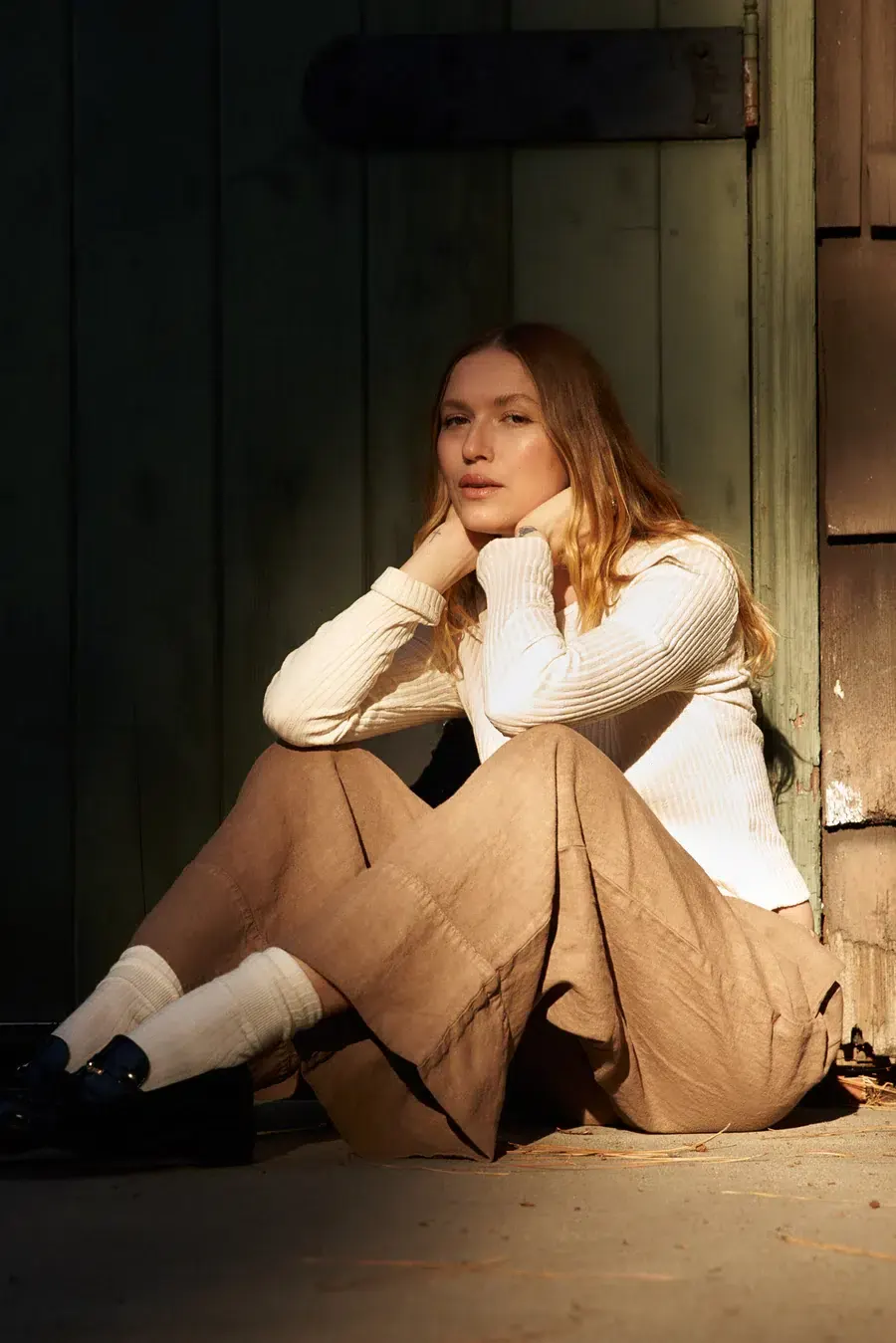
12-Piece Capsule Wardrobe 2026: Cover Every Situation Effortlessly
Build a 12-piece capsule wardrobe in 2026 that covers every situation effortlessly — from work to weekend to travel — with timeless, versatile essentials.
The idea that refuses to go out of style
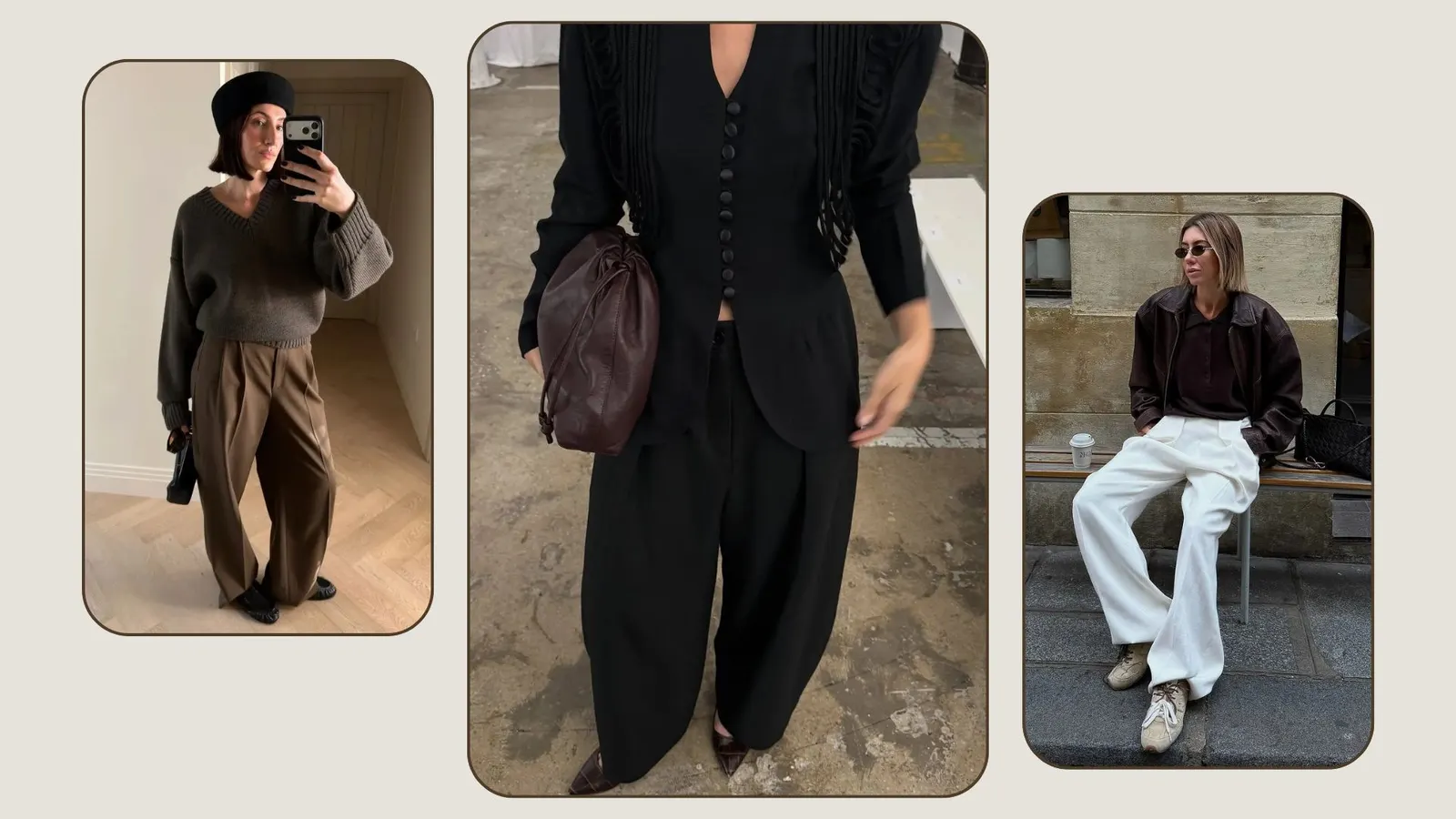
The capsule wardrobe has been around longer than most people realise. In the 1970s, London boutique owner Susie Faux coined the term to describe a tight collection of timeless, season-spanning pieces that could be refreshed rather than replaced each year. The concept went mainstream in 1985 when Donna Karan released her iconic 7 Easy Pieces collection, designed specifically to fill what she called "a void in the marketplace" for stylish, practical clothing for working women. Those seven pieces (a bodysuit, skirt, tailored jacket, dress, something leather, white shirt, and cashmere sweater) still echo in virtually every capsule wardrobe guide written today.
Fast forward to 2026 and the movement has become a genuine global force. The capsule wardrobe market was valued at $6.8 billion in 2025 and is projected to reach $13.7 billion by 2034, growing at a CAGR of 8.1%. TikTok's #capsulewardrobe hashtag alone has accumulated 2 billion views. This isn't a passing trend. It's a smarter way to dress.
Why your current wardrobe is probably failing you
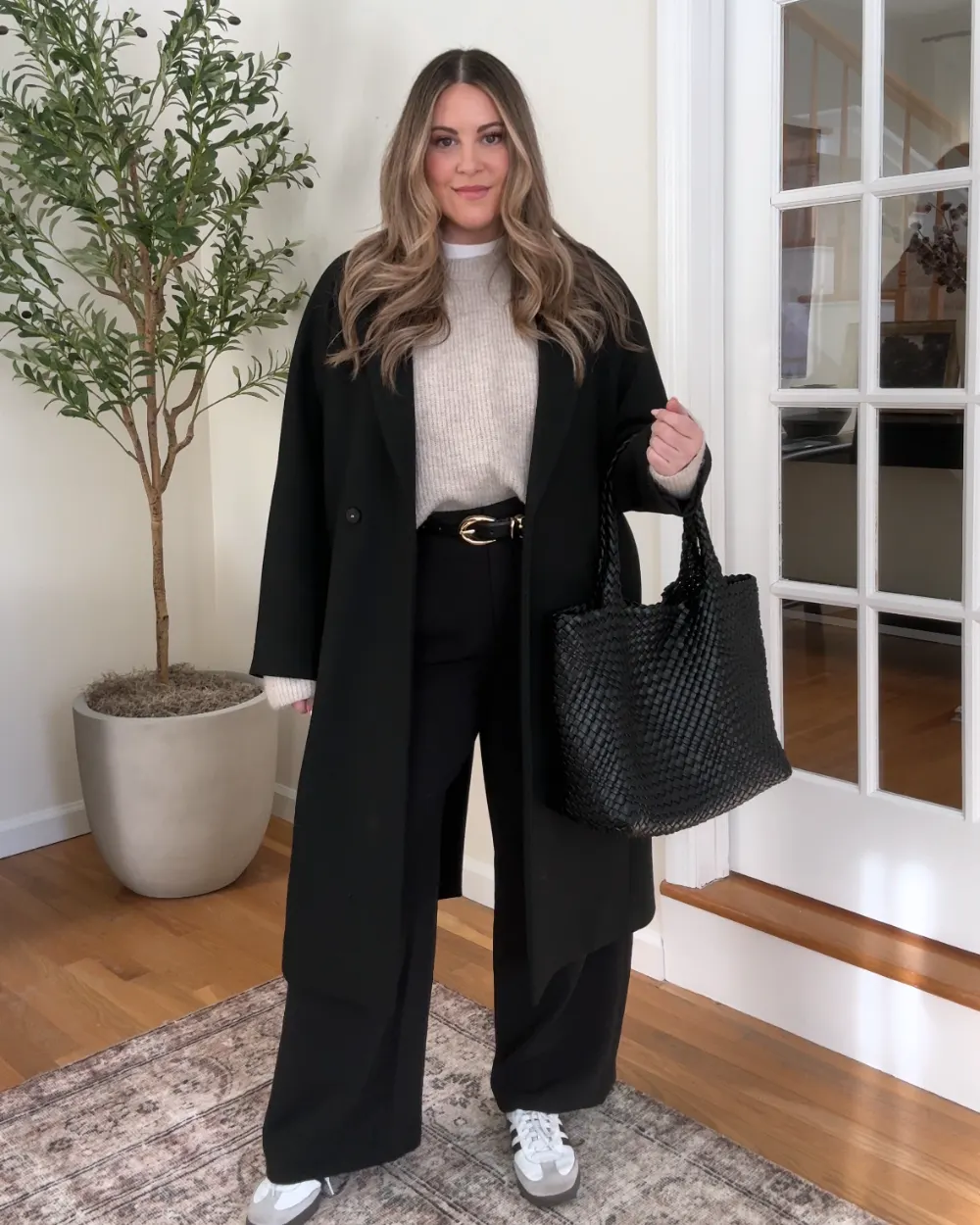
Here's a number that stings: the average person buys about 16 new clothing items every year, yet regularly wears only 20% of what's in their wardrobe. Americans spend between $1,800 and $2,500 annually on apparel, much of it on impulse purchases that get worn once and forgotten. Meanwhile, the fashion industry accounts for 10% of global annual carbon emissions, more than all international flights and maritime shipping combined, and consumes 141 billion cubic meters of water per year.
The appeal of the capsule wardrobe, then, isn't purely aesthetic. It's financial, practical, and increasingly ethical. Fewer, better pieces that work harder across more situations means less decision fatigue, less waste, and a wardrobe that actually serves your life.
The 12 pieces that cover every situation in 2026
Style authorities and wardrobe editors broadly agree on the following essentials for 2026. Think of these not as rigid prescriptions but as a framework. Substitute colours and silhouettes to suit your lifestyle, climate, and personal taste.
1. White t-shirt
The great equaliser. A high-quality, well-cut white tee works under a blazer for the office, paired with jeans for the weekend, or layered under a cardigan for cooler days. Invest in fabric quality here. It shows.
2. Dark-wash denim jeans
Denim anchors almost every casual outfit. The skinny cigarette jean is making a notable comeback in 2026, but a clean straight-leg silhouette remains equally relevant. Go dark wash for maximum versatility. It reads casual or smart depending on what you pair it with.
3. Tailored trousers
A well-fitting pair of tailored trousers is arguably the most transformative garment on this list. For warmer months, reach for linen or cotton blends; save heavier wool for autumn and winter. One great pair can cover job interviews, dinner dates, and client meetings.
4. Crisp white or linen shirt
Alongside dark denim, a crisp white shirt is one of the most consistently cited capsule essentials for 2026. Worn tucked or untucked, buttoned to the collar or half-open over a tee, it transitions easily from boardroom to brunch.
5. Neutral knitwear / V-neck sweater
The V-neck is back in a big way in 2026. Whether you gravitate toward a clean neutral palette or want to lean into the trend with an argyle knit (which shows no sign of slowing down), a quality V-neck sweater is a simple, contemporary refresh that layers well over shirts and under coats.
6. Black blazer
The black blazer bridges casual and formal better than almost any other garment. Throw it over a white tee and jeans for smart-casual events, or pair it with tailored trousers for a polished, suit-adjacent look without the rigidity. It's a workhorse.
7. Trench coat
A classic trench coat is the outerwear equivalent of the little black dress. It elevates everything beneath it and never looks out of place. Beige or camel tones are the most versatile, working across both formal and relaxed contexts.
8. Little black dress (or dark midi dress)
One well-chosen dress handles an enormous range of situations: dress it up with heels and a clutch for evening events, or tone it down with trainers and a tote for daytime. In 2026, the midi length offers the most styling flexibility.
9. Neutral sneakers
A clean pair of white or cream sneakers is the casual footwear anchor of any modern capsule wardrobe. They pair with jeans, dresses, and even tailored trousers in relaxed settings. Keep them clean and they look intentional, not lazy.
10. Classic leather or Chelsea boot
For cooler months and smarter occasions, a well-made ankle boot (whether a sleek Chelsea or a low-heeled classic) does the heavy lifting that sneakers can't. A brown or tan tone adds warmth; black is the most formal-leaning option.
11. Versatile tote or structured bag
A quality bag in a neutral tone (tan, black, or off-white) that's large enough for daily essentials doubles as both a work bag and a weekend carryall. This is one area where buying once and buying well genuinely pays off over time.
12. Well-fitting dark chinos or smart shorts (seasonal swap)
Rounding out the 12, a pair of dark chinos or, for warmer climates and summer months, a pair of tailored shorts in a neutral tone fills the gap between jeans and formal trousers. This is your seasonal wildcard slot, adaptable to your lifestyle and location.
How to build yours without starting from scratch
You almost certainly own some of these pieces already. The capsule wardrobe approach isn't about discarding everything and starting over. It's about auditing what you have, identifying the genuine gaps, and making deliberate upgrades over time. A practical process:
- Lay out what you own and identify which of the 12 you already have in a form you actually wear.
- Prioritise the gaps that affect your daily life most. If you work in an office, a blazer and tailored trousers may be urgent; if you're fully remote, neutral knitwear and great sneakers may matter more.
- Set a cost-per-wear target. A $150 white shirt worn 100 times costs $1.50 per wear. A $30 shirt worn twice costs $15. Quality wins mathematically.
- Resist trend detours. The 12 pieces above are chosen specifically because they resist obsolescence. Buy trend pieces sparingly and separately.
The bigger picture
The shift toward capsule dressing in 2026 reflects something broader: a growing preference for intention over volume, quality over quantity, and long-term value over short-term novelty. The remote and hybrid work era has turbocharged demand for clothing that works across contexts, versatile, comfortable, and genuinely stylish. With the U.S. capsule wardrobe market alone expected to reach $5.2 billion by 2033, the movement is clearly resonating well beyond the fashion-forward few.
Twelve pieces. Every situation covered. That's not minimalism for its own sake. It's just a wardrobe that finally works for you.